The Role of Expert Fabrication in Custom Automotive Solutions
February 4, 2026
In the world of automotive customization, the art and science of expert fabrication play a pivotal role in transforming ordinary vehicles into unique, high-performance machines. Custom automotive solutions demand precision, creativity, and a deep understanding of both engineering principles and design aesthetics. From performance upgrades to aesthetic modifications, expert fabrication ensures that every component integrates seamlessly, enhancing both functionality and style. Without the skill and experience of a seasoned fabricator, even the most ambitious custom projects can fall short, leading to inefficiencies, safety risks, and suboptimal results.
Modern automotive enthusiasts are increasingly seeking tailored solutions that reflect their personal style while optimizing vehicle performance. This trend has fueled a growing demand for professional fabrication services capable of handling complex tasks, such as custom chassis work, bespoke exhaust systems, and precision engine modifications. Expert fabricators combine advanced tools, high-quality materials, and specialized techniques to deliver solutions that are not only visually striking but also mechanically sound. By understanding the intricacies of vehicle dynamics and material properties, these professionals ensure that each modification achieves the desired outcome without compromising safety or reliability. In a competitive industry, the role of expert fabrication has become indispensable for anyone aiming to achieve a truly customized automotive experience.
1. Understanding the Scope of Automotive Fabrication
What Automotive Fabrication Involves
Automotive fabrication encompasses the design, construction, and assembly of custom vehicle components. Unlike standard automotive repairs or bolt-on upgrades, fabrication often involves creating entirely new parts or modifying existing ones to meet precise specifications. Tasks may include welding, metal shaping, tube bending, and the installation of custom body panels. Each project requires a detailed understanding of vehicle mechanics, material strength, and manufacturing processes to ensure that the final product performs optimally.
Examples of Fabrication in Action
Consider a performance car requiring a custom roll cage for track safety. Fabricators must carefully measure the vehicle’s interior, design a cage that meets safety regulations, and skillfully weld it into place without compromising structural integrity. Similarly, a classic car restoration might involve recreating rare body panels from scratch, ensuring the new pieces match the original design while meeting modern durability standards.
2. Enhancing Performance Through Fabrication
Engine and Drivetrain Upgrades
Expert fabrication is critical when upgrading a vehicle’s engine or drivetrain. Custom manifolds, turbo kits, and intercooler piping require precise engineering to maximize airflow, reduce heat, and improve overall performance. Poorly fabricated components can lead to power loss, inefficiency, or mechanical failure.
Suspension and Chassis Modifications
Custom suspension setups often necessitate fabricated control arms, subframes, or mounting brackets. By tailoring these components to a specific vehicle and driving style, fabricators can significantly enhance handling, stability, and ride quality. A sports car, for instance, can benefit from a precisely fabricated strut tower brace that reduces chassis flex and improves cornering performance.
Real-World Performance Impact
Professional fabrication allows enthusiasts to achieve performance levels that are impossible with stock components alone. Whether for drag racing, off-road adventures, or high-performance street driving, a well-fabricated setup ensures reliability, safety, and measurable gains in speed, handling, and responsiveness.
3. Aesthetic Customization Through Fabrication
Bodywork and Exterior Modifications
Custom automotive fabrication extends beyond performance to visual appeal. Fabricators can create bespoke body kits, wide-body conversions, and custom hoods that enhance a vehicle’s aesthetics while maintaining aerodynamic efficiency. Skilled fabrication ensures that panels align perfectly, gaps are minimized, and finishes meet high-quality standards.
Interior Enhancements
Fabrication also plays a role in interior customization. Custom dashboards, roll cages, and seating mounts can be fabricated to fit unique designs while accommodating safety equipment and ergonomic considerations. For example, a rally-inspired interior may require a fabricated center console to house additional gauges and controls without compromising driver accessibility.
Integrating Form and Function
The best automotive fabricators seamlessly blend aesthetics with functionality. A visually stunning hood vent or rear diffuser must also provide effective airflow management or downforce to enhance performance. This dual-focus approach ensures that custom vehicles are both beautiful and operationally superior.
4. Material Selection and Technical Considerations
Understanding Material Properties
Choosing the right materials is a critical component of expert fabrication. Steel, aluminum, and advanced composites each offer unique advantages in strength, weight, and corrosion resistance. Fabricators must balance these properties to achieve structural integrity without unnecessary weight gain, which can negatively impact performance.
Welding and Joining Techniques
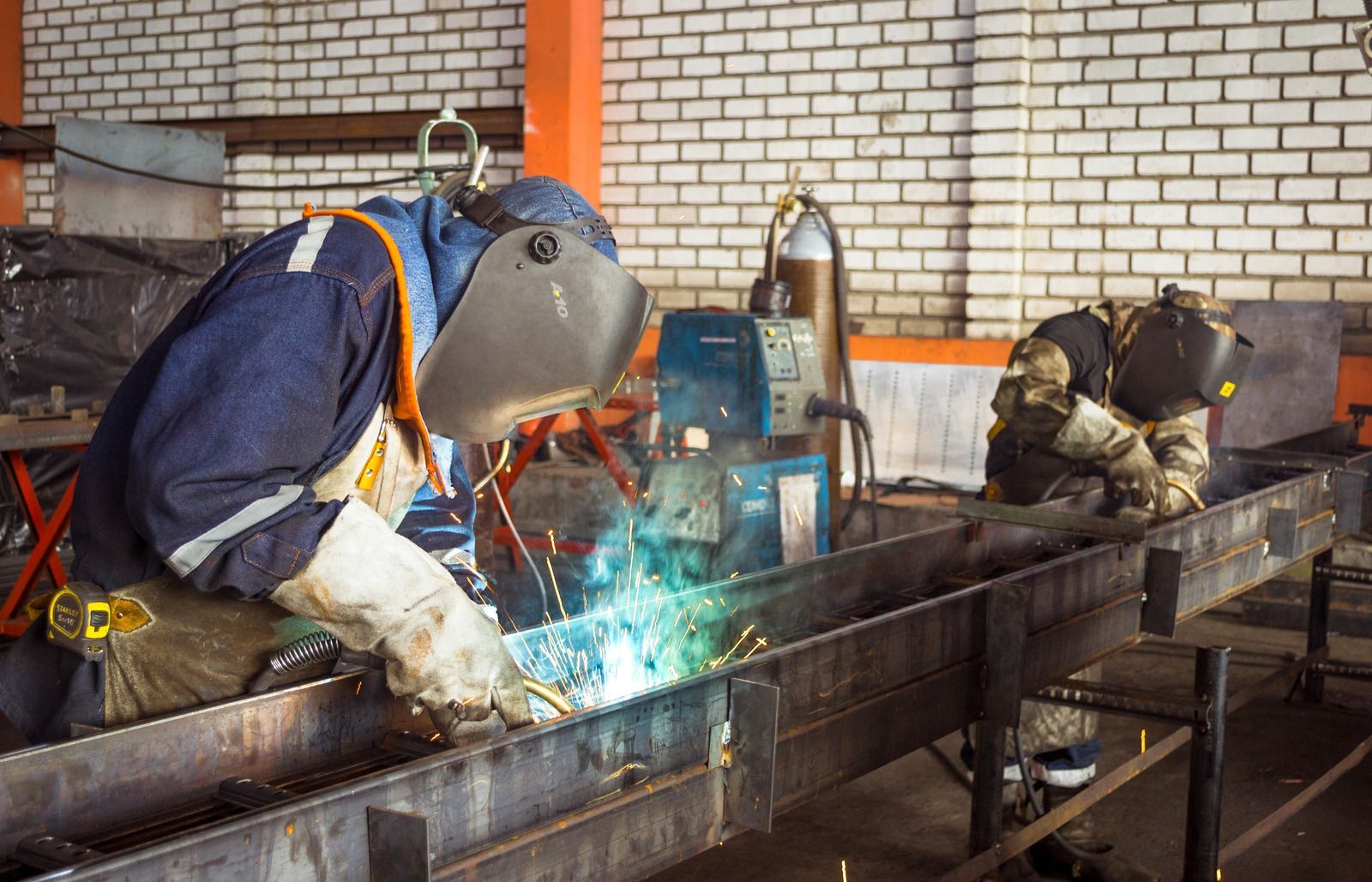
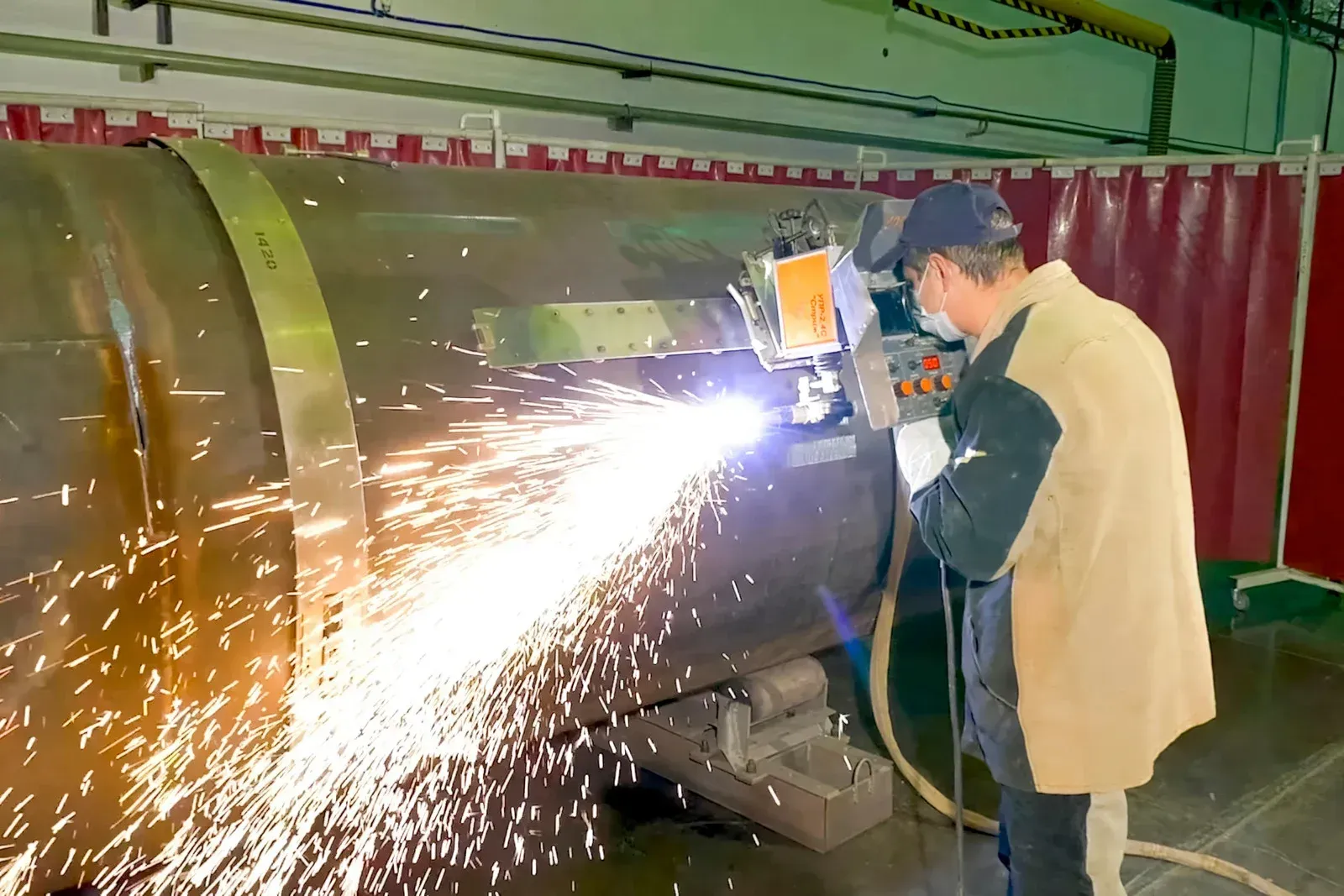
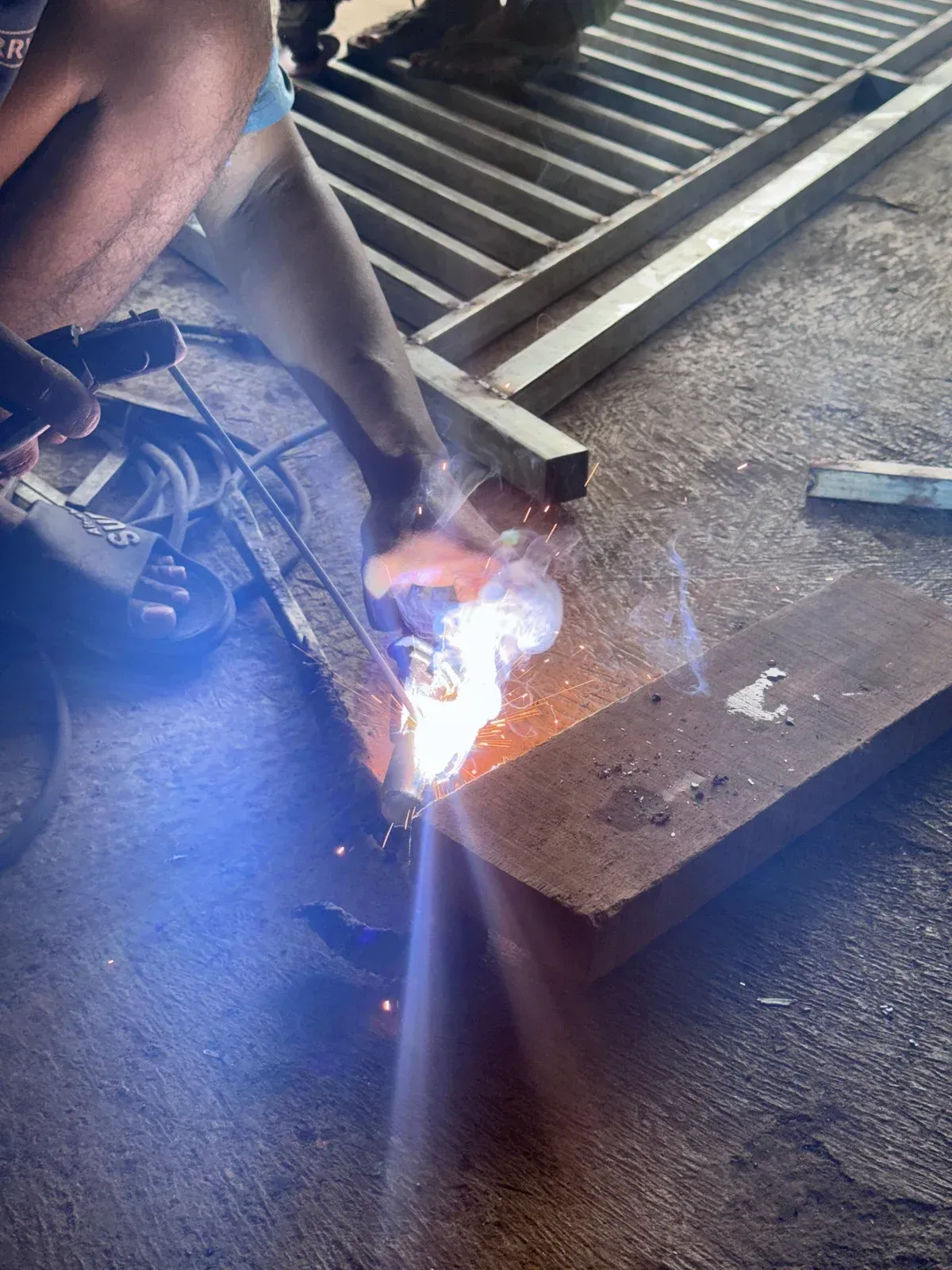
The quality of welds and joins can determine a vehicle’s durability and safety. Techniques such as TIG (Tungsten Inert Gas) welding, MIG (Metal Inert Gas) welding, and plasma cutting allow fabricators to achieve precise, strong, and clean results. Each method requires skill and experience to avoid warping, weak points, or material distortion.
Tolerances and Fitment Accuracy
In custom automotive solutions, even millimeter-level precision can be critical. Fabricators use advanced measuring tools, CAD software, and mock-ups to ensure that components fit perfectly within the vehicle’s architecture. Accurate tolerances prevent issues such as misalignment, stress concentration, or vibration problems, which can compromise both safety and performance.
5. Challenges in Custom Automotive Fabrication
Complex Engineering Requirements
Custom projects often present unique engineering challenges. A one-off vehicle modification may require innovative solutions to structural, thermal, or aerodynamic problems. Expert fabricators must combine creativity with technical knowledge to overcome these obstacles efficiently.
Safety and Regulatory Compliance
Fabricated modifications must comply with safety standards and regulations, including crash safety, emissions, and roadworthiness. Fabricators must consider load distribution, material fatigue, and potential failure points to ensure that modifications do not compromise the vehicle or its occupants.
Cost and Time Considerations
Custom fabrication can be resource-intensive, both in terms of materials and labor. Projects must be carefully planned to balance cost, quality, and turnaround time. Experienced fabricators leverage their expertise to optimize workflows, reduce waste, and deliver high-quality results on schedule.
6. Best Practices for Successful Automotive Fabrication
Collaboration and Planning
Successful custom projects begin with detailed planning and collaboration between fabricators, engineers, and vehicle owners. Clear communication of goals, limitations, and expectations ensures that the final product meets the client’s vision while adhering to technical requirements.
Prototyping and Testing
Creating prototypes or mock-ups allows fabricators to identify potential issues before final production. Testing components under realistic conditions helps verify fitment, performance, and durability, reducing the risk of costly mistakes.
Leveraging Advanced Technology
Modern fabrication benefits from cutting-edge tools such as CNC machining, laser cutting, and 3D printing. These technologies enable high-precision fabrication, repeatable results, and the ability to create complex shapes that are otherwise difficult or impossible to achieve manually.
Continuous Skill Development
Expert fabrication requires continuous learning. Fabricators must stay updated on new materials, welding techniques, and vehicle technologies. Participation in industry workshops, certifications, and hands-on projects ensures that skills remain sharp and competitive.
7. Real-World Case Studies of Expert Fabrication
Custom Performance Builds
A client seeking a high-performance track car may require a fabricated roll cage, tubular control arms, and a reinforced chassis. The fabricator not only creates these components but also integrates them seamlessly with aftermarket suspension, brake, and engine upgrades. The result is a vehicle that exceeds performance expectations while maintaining safety and reliability.
Classic Car Restorations
Classic car enthusiasts often rely on expert fabrication to replace worn or obsolete parts. For instance, a 1960s muscle car may need custom floor pans, fender repairs, and a bespoke exhaust system. Fabricators recreate these components with precision, preserving the car’s original look while enhancing durability and drivability.
Off-Road and Specialty Vehicles
Off-road vehicles frequently require unique modifications such as custom bumpers, skid plates, and suspension mounts. Fabricators must consider ground clearance, approach angles, and stress distribution to produce components that withstand harsh conditions without failure. Real-world testing ensures that these vehicles perform reliably in extreme environments.
8. Future Trends in Automotive Fabrication
Lightweight Materials and Composites
The shift toward lightweight materials, including carbon fiber and advanced alloys, is shaping the future of automotive fabrication. These materials offer superior strength-to-weight ratios, improving fuel efficiency and performance without compromising safety.
Automation and Digital Design
Digital tools like CAD software, 3D scanning, and virtual simulations are increasingly integrated into fabrication workflows. Automation allows for faster production, improved accuracy, and reduced material waste, enabling more complex and ambitious custom projects.
Sustainable Fabrication Practices
Environmental considerations are driving the adoption of sustainable fabrication methods. Recycling metals, using energy-efficient machinery, and minimizing waste not only reduce costs but also align with broader industry trends toward eco-friendly vehicle modifications.
Integration with Smart Technologies
Future fabrication projects may incorporate smart technologies such as sensor-embedded components, adaptive suspension systems, and modular performance upgrades. Expert fabricators will need to combine mechanical skills with knowledge of electronics and software integration to meet these evolving demands.
Essential Insights for Successful Vehicle Customization Projects
Expert fabrication serves as the backbone of custom automotive solutions, enabling enthusiasts and professionals alike to transform vehicles with precision, creativity, and reliability. From performance enhancements to aesthetic upgrades, skilled fabricators ensure that each modification aligns with both functional requirements and design aspirations. Their work involves meticulous planning, material expertise, and advanced techniques that result in vehicles capable of exceeding expectations in terms of performance, safety, and style.
In a competitive automotive landscape, partnering with a trusted fabrication expert ensures that projects are executed efficiently, safely, and with exceptional craftsmanship.
Semper Fix It, located in Temecula, CA, exemplifies the value of
expert automotive fabrication. With 25
years of experience, the company has established a reputation for precision, reliability, and creative problem-solving. Their team specializes in custom performance upgrades, aesthetic modifications, and comprehensive vehicle restorations. By combining advanced fabrication techniques with a deep understanding of vehicle engineering, Semper Fix It delivers solutions tailored to each client’s vision. Their commitment to quality, safety, and innovation makes them a trusted partner for automotive enthusiasts seeking custom solutions that stand the test of time.