Structural Welding vs. Cosmetic Fabrication: Understanding the Difference Before You Hire
May 28, 2026
Metal fabrication projects can serve very different purposes, yet many property owners and business operators assume all welding work follows the same standards, techniques, and safety requirements. In reality, there is a major difference between structural welding and cosmetic fabrication, and understanding that difference before hiring a contractor can prevent serious problems later. Structural welding focuses on strength, load-bearing capacity, durability, and code compliance, while cosmetic fabrication prioritizes appearance, style, decorative enhancement, and visual finishing. Both services require skill and precision, but the risks, responsibilities, and technical expectations vary significantly depending on the project type and intended use.
Confusion between these two categories often leads to mismatched expectations, unsafe installations, unnecessary costs, and disappointing results. A visually attractive weld may not support structural stress, while a highly durable structural weld may not provide the polished appearance expected for decorative work. Whether someone is installing staircases, gates, support beams, railings, custom metal features, equipment repairs, or architectural accents, choosing the correct welding service matters from both a safety and investment perspective. Knowing how structural welding differs from cosmetic fabrication allows property owners to ask better questions, evaluate qualifications properly, and hire professionals capable of delivering results that match the specific demands of the project.
What Structural Welding Really Involves
Understanding Load-Bearing Responsibilities
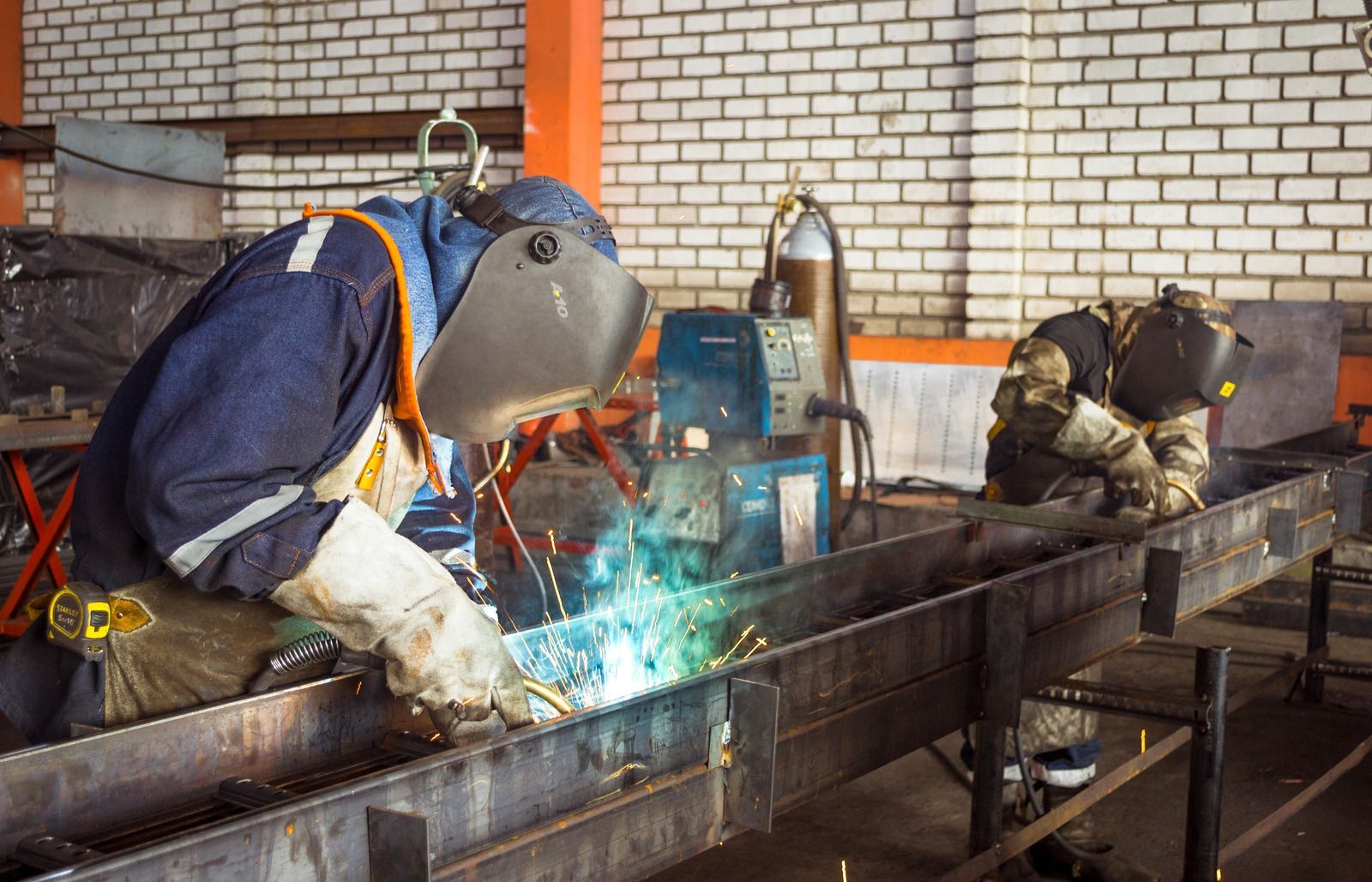
Structural welding refers to welding work that directly supports weight, pressure, movement, or structural stability. These welds become part of a building, framework, or mechanical system where failure could create serious safety risks. Structural welders work on projects such as steel beams, stair systems, trailers, support columns, heavy equipment, industrial platforms, and commercial frameworks.
Unlike decorative metal fabrication, structural welding must meet engineering standards and often requires adherence to local building codes and inspection requirements. The quality of the weld affects how the structure performs under stress, vibration, temperature changes, and long-term wear. Even a small defect in penetration or joint strength can compromise the integrity of the entire system.
Materials and Techniques Used in Structural Work
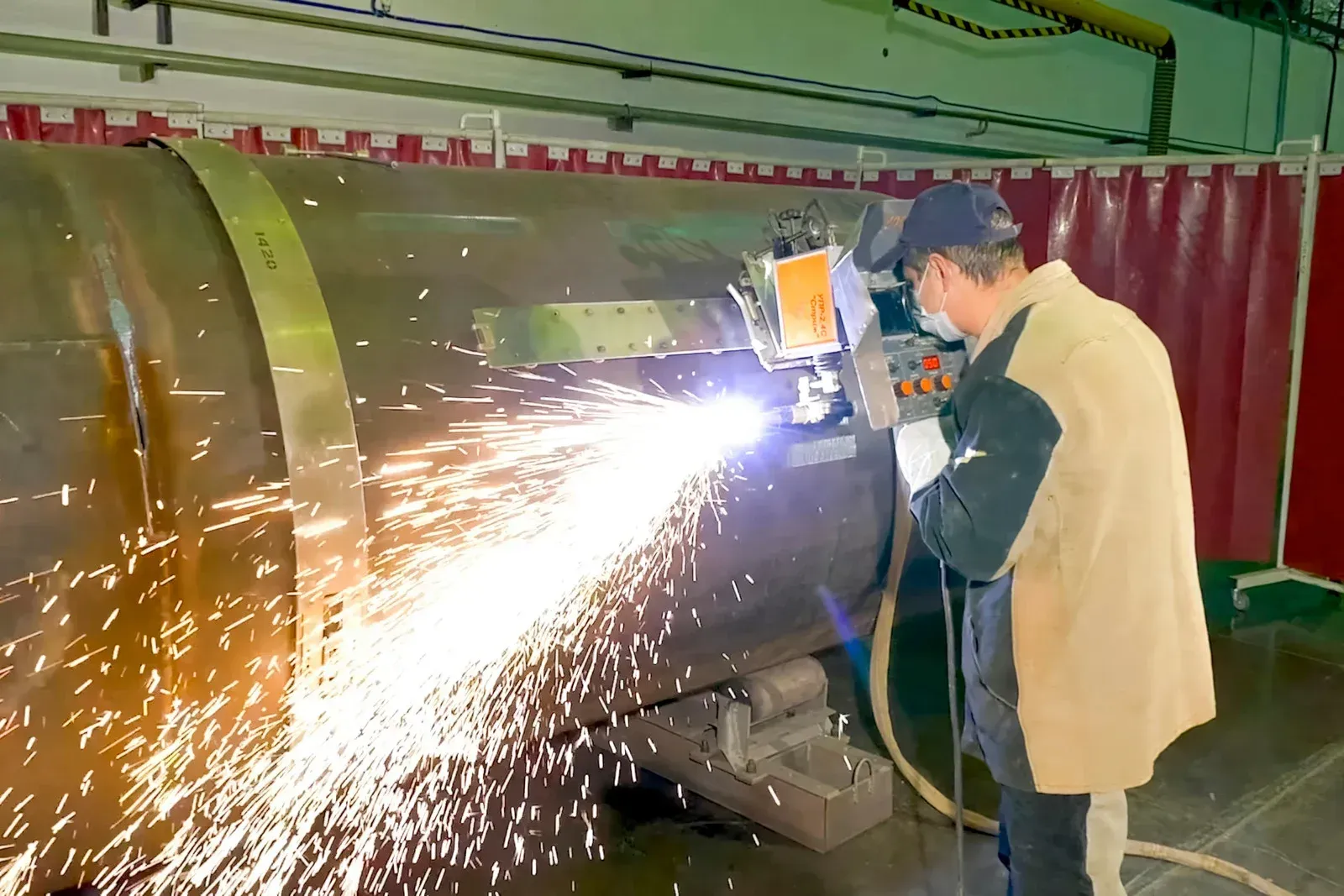
Structural welding commonly involves carbon steel, stainless steel, aluminum, and heavy-gauge metals designed for strength and durability. Welders may use MIG, TIG, stick welding, or flux-core processes depending on the application, environmental conditions, and material thickness.
Preparation also plays a major role in structural work. Surfaces must be cleaned properly, joints must be aligned accurately, and weld penetration must meet specific standards. Structural projects often require precise measurements, reinforced joints, and detailed load calculations before fabrication begins.
For example, a staircase installed inside a commercial building must support constant foot traffic while meeting safety regulations. The welds cannot simply look clean on the surface. They must withstand years of stress without weakening or separating.
Why Certifications Matter
Structural welding often requires certified professionals because the work impacts public safety. Certifications demonstrate that the welder understands proper welding procedures, testing standards, metallurgy, and code compliance.
Hiring an uncertified contractor for structural work increases the risk of failed inspections, liability concerns, property damage, and future repairs. In commercial environments, improper structural welding may also violate insurance or regulatory requirements.
Defining Cosmetic Fabrication and Decorative Welding
Appearance Takes Priority
Cosmetic fabrication focuses on visual enhancement rather than structural performance. While cosmetic fabrication still requires quality craftsmanship, the primary goal is aesthetic appeal instead of load-bearing strength. Decorative gates, ornamental railings, custom signage, artistic metalwork, furniture accents, and luxury design features often fall into this category.
Cosmetic fabrication emphasizes smooth finishes, clean lines, symmetry, and artistic presentation. In many cases, grinding, polishing, shaping, and finishing consume more time than the welding itself because appearance is the defining factor.
Common Cosmetic Fabrication Projects
Many residential and commercial properties use cosmetic fabrication to improve curb appeal or create custom visual elements. Examples include:
- Decorative fencing
- Modern steel wall accents
- Custom fireplace surrounds
- Ornamental stair railings
- Branded metal signage
- Patio features
- Architectural trim
- Restaurant décor installations
These projects allow greater design flexibility because they are not always subject to the same structural engineering standards. However, that does not mean cosmetic fabrication lacks technical complexity. Precision remains essential because even small imperfections become visible in finished decorative work.
The Role of Finishing and Detail Work
In cosmetic fabrication, finishing quality often determines the overall value of the project. Weld seams may be polished smooth, edges softened, and surfaces coated or painted to create a refined appearance.
For instance, a decorative steel entry gate at a luxury property may require seamless weld blending and uniform texture throughout the design. The customer typically notices visual balance first rather than weld penetration depth or engineering calculations.
Because cosmetic fabrication prioritizes presentation, communication about design expectations becomes especially important during the planning stage.
Key Differences Between Structural Welding and Cosmetic Fabrication
Safety vs. Appearance
The most important distinction between structural welding and cosmetic fabrication is the project objective. Structural welding prioritizes safety and durability, while cosmetic fabrication prioritizes visual presentation.
A structural weld must withstand real-world stress under demanding conditions. Cosmetic fabrication may still require durable construction, but appearance remains the dominant concern. This difference affects everything from material selection to inspection standards.
Inspection Requirements and Code Compliance
Structural projects often require inspections by engineers, city officials, or third-party inspectors. Welds may undergo stress testing, x-ray inspection, or ultrasonic examination to verify quality and strength.
Cosmetic fabrication rarely involves the same level of regulatory oversight unless the decorative feature also performs a structural function. This creates significant differences in documentation, fabrication timelines, and project costs.
Project Planning and Engineering
Structural welding usually begins with engineered drawings, load calculations, and precise specifications. Fabricators must understand weight distribution, force transfer, and environmental exposure before construction begins.
Cosmetic fabrication allows greater creativity and customization. Designers can focus more on artistic concepts, finishes, and aesthetics rather than engineering tolerances.
For example, a steel canopy supporting heavy weight above a commercial entrance requires structural engineering and strict welding procedures. A decorative metal logo mounted on an interior wall focuses more on design precision and visual appeal.
Long-Term Performance Expectations
Structural welding projects are expected to perform safely for many years under continuous stress. Durability, corrosion resistance, and structural reliability become major priorities.
Cosmetic fabrication still requires quality materials and workmanship, but long-term expectations revolve more around maintaining appearance and resisting wear from weather exposure or routine use.
Understanding these differences helps property owners avoid hiring contractors whose experience does not align with the project requirements.
How to Choose the Right Welding Professional
Ask About Project Specialization
Not every welder specializes in the same type of work. Before hiring, property owners should ask whether the contractor primarily handles structural welding, cosmetic fabrication, or a combination of both.
Reviewing past projects helps reveal whether the contractor has experience relevant to the specific job. Structural projects should include evidence of code-compliant work, while cosmetic portfolios should demonstrate finishing quality and design consistency.
Verify Licensing and Certifications
Structural projects require proper licensing and welding certifications. Property owners should verify qualifications, insurance coverage, and familiarity with applicable building codes before approving work.
Commercial projects may require AWS certifications or compliance with local engineering standards depending on the application.
Discuss Materials and Fabrication Methods
Professional welders should explain which materials and welding processes best suit the project. The chosen method affects durability, appearance, corrosion resistance, and maintenance requirements.
For instance, stainless steel may provide better corrosion resistance for outdoor decorative installations, while reinforced carbon steel may better support structural applications involving heavy loads.
Evaluate Communication and Planning
Reliable welding professionals provide detailed project discussions, realistic timelines, and clear expectations regarding inspections, fabrication steps, and finishing procedures.
Questions about maintenance, environmental exposure, surface coatings, and structural demands should be addressed before fabrication begins. Strong communication often reflects stronger project management throughout the job.
Balance Cost With Long-Term Value
Choosing the lowest price can create major problems in welding projects. Structural failures, premature corrosion, poor finishing, and unsafe fabrication often result from shortcuts in labor, materials, or preparation.
Instead of focusing only on initial pricing, property owners should evaluate experience, workmanship quality, safety practices, and long-term reliability. Well-executed welding projects protect both property value and occupant safety for years to come.
Experienced Structural Welders Providing Dependable Fabrication Solutions
Structural welding and cosmetic fabrication may appear similar at first glance, but the differences between them affect safety, durability, appearance, compliance, and long-term performance. Structural welding supports weight, movement, and stability, requiring certified expertise, engineering knowledge, and strict attention to code requirements. Cosmetic fabrication focuses more on decorative enhancement, visual precision, and customized design features that improve the appearance of residential and commercial spaces. Understanding which service fits a project helps property owners avoid unsafe construction, failed inspections, poor aesthetics, and unnecessary repair costs.
Choosing the right welding professional begins with understanding the true purpose of the project. Asking informed questions about certifications, fabrication methods, finishing quality, and structural expectations helps ensure the work aligns with both functional and visual goals. Welding projects represent long-term investments that influence safety, property value, and performance, making proper contractor selection an essential step before fabrication begins.
For dependable welding and fabrication services in Temecula, California, Semper Fix it
brings 25
years of hands-on industry experience across structural repairs, metal fabrication, mobile welding, and mechanical services. As a top rated welder and mobile mechanic, we understand the importance of matching the right fabrication methods to the exact demands of every project. Whether the work involves structural steel repairs, custom metal fabrication, equipment reinforcement, or decorative welding applications, our approach focuses on craftsmanship, durability, safety, and honest communication from start to finish.